【Application Case】Guarding the "Heart" of Gas Turbines: T2X Enables Non-Destructive Testing of Turbine Blades
Gas turbines, as a common type of thermal engine, play a crucial role in aviation propulsion, marine power, offshore platforms, thermal power generation, and oil and gas transportation. Their internal blades operate under high-temperature and high-pressure conditions for extended periods, making them susceptible to defects such as cracks, erosion, and wear. Traditional inspection methods often require disassembling the equipment, resulting in high costs and lengthy cycles. With the aid of industrial borescopes, technicians can inspect and count the blades without dismantling the equipment by accessing the interior through pre-drilled inspection ports.
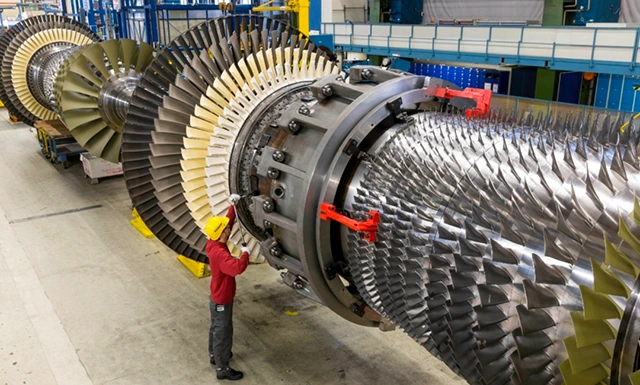
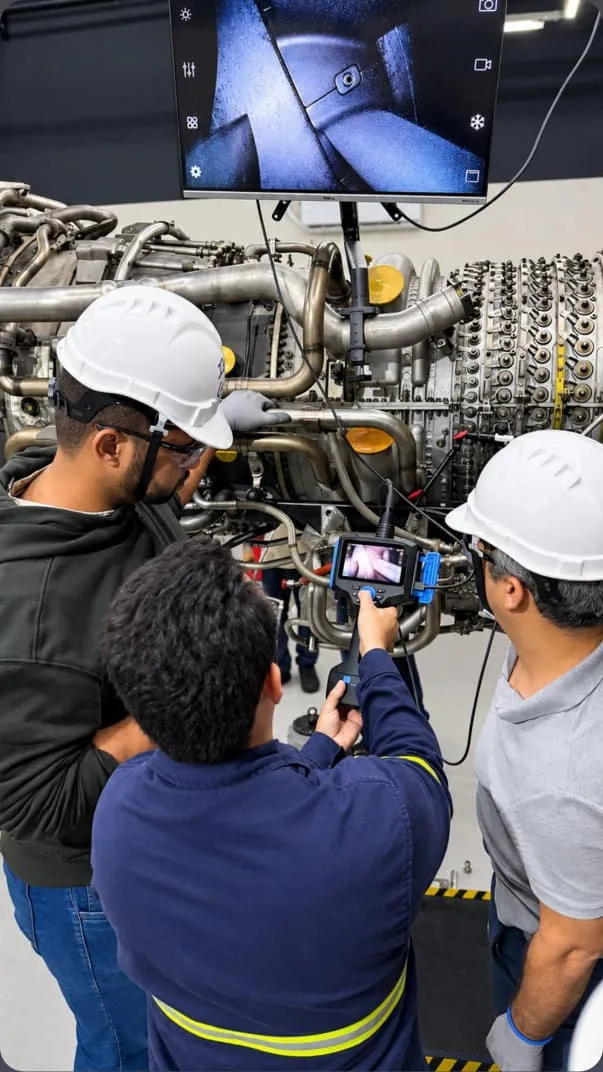
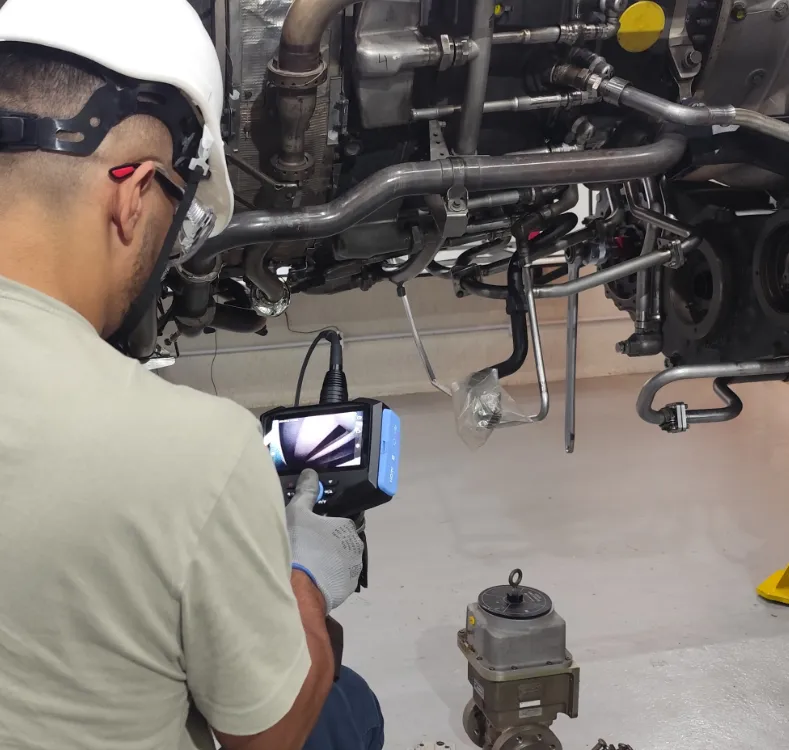
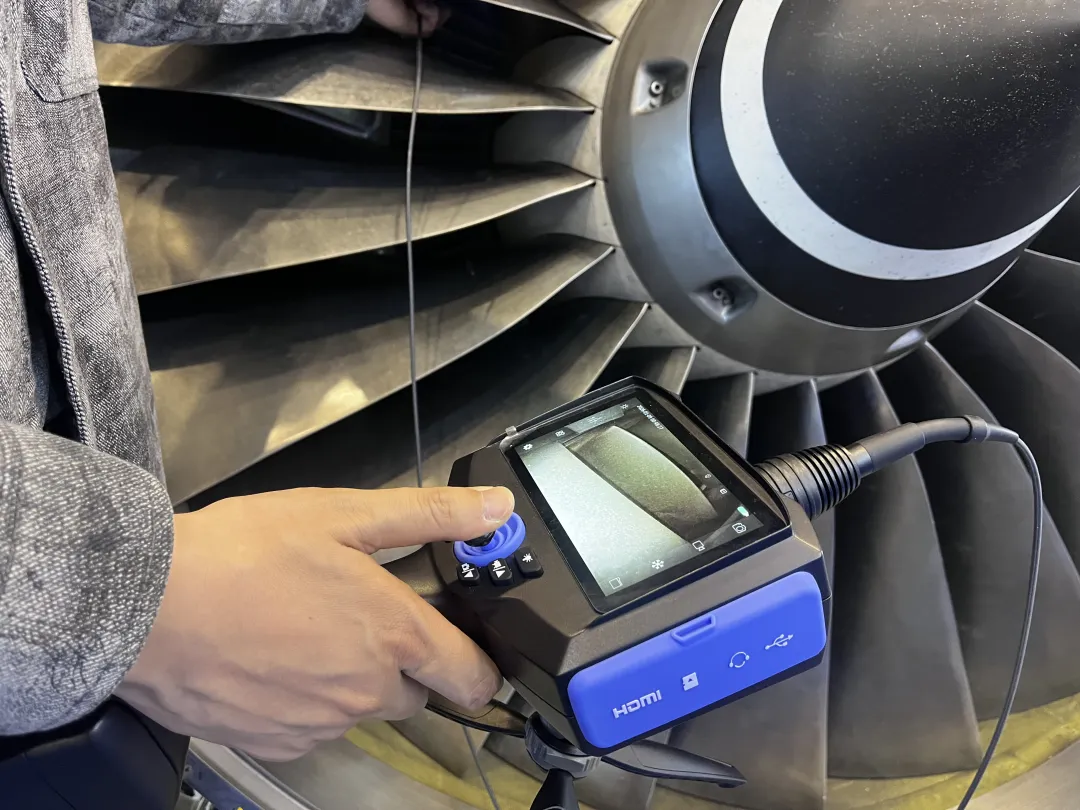
At a gas turbine site, the client used Zhongke Intelligent's T2X high-definition industrial borescope to insert the probe into the combustion chamber and turbine section through reserved inspection ports, conducting a piece-by-piece inspection and counting of the internal blades. During the inspection, on-site personnel utilized the T2X's high-definition imaging capability to clearly observe the blade surface condition and employed the probe rotation function to scan each blade passage sequentially, ensuring no omissions or repetitions.
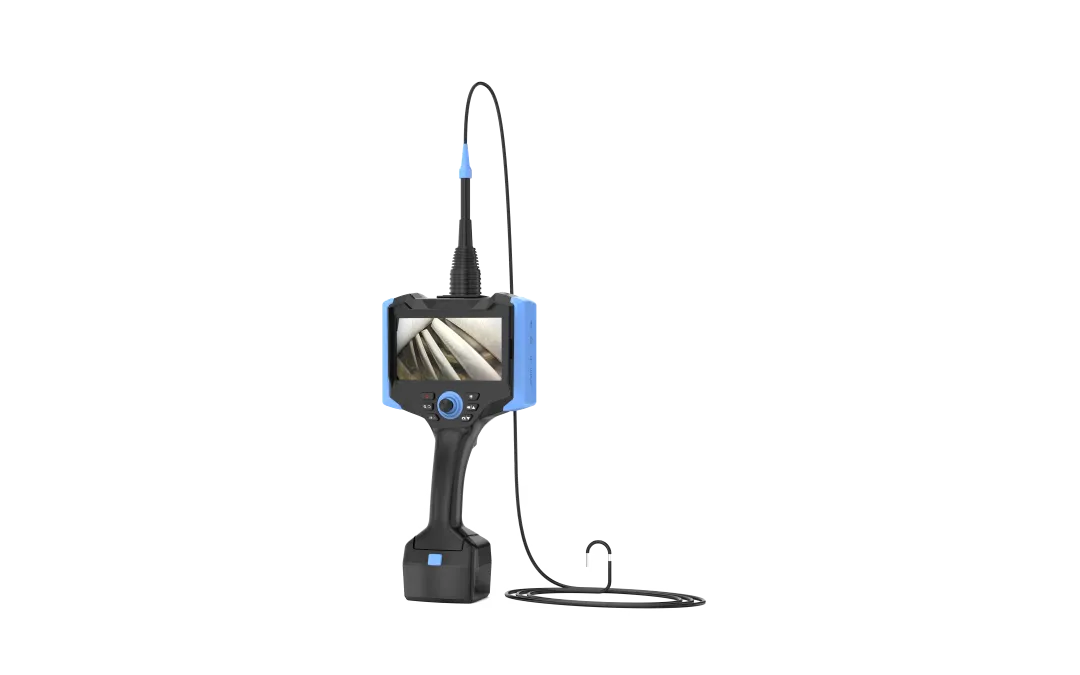
T2X high-definition industrial endoscope
Ultra clear and high brightness imaging, T2X is equipped with a 5.5-inch high-definition LCD screen, which increases screen brightness by more than 60% compared to conventional products. The camera supports gain adjustment, which can effectively suppress metal highlights, reflections, and glare. In metal surface scenes such as gas turbine blade detection, defects such as cracks and erosion can be more clearly identified.
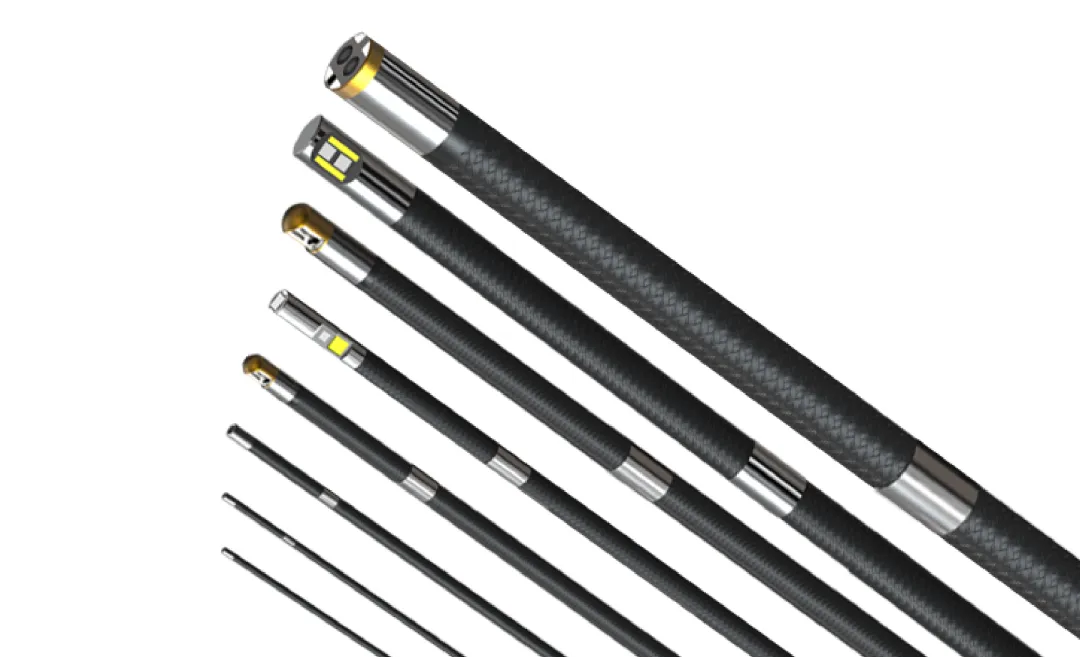
The core advantages of T2X are interchangeable lenses and wide compatibility. The system is compatible with a wide range of pipeline specifications from 0.85mm to 8.0mm, and can replace straight/side view lenses of 3.9mm and 6.0mm, covering various optical configurations such as macro, near focus, wide-angle, medium focus, and telephoto. This means that in the face of different types of gas turbine inspection hole sizes and internal channel structures, on-site personnel can flexibly choose suitable probes to complete the inspection.
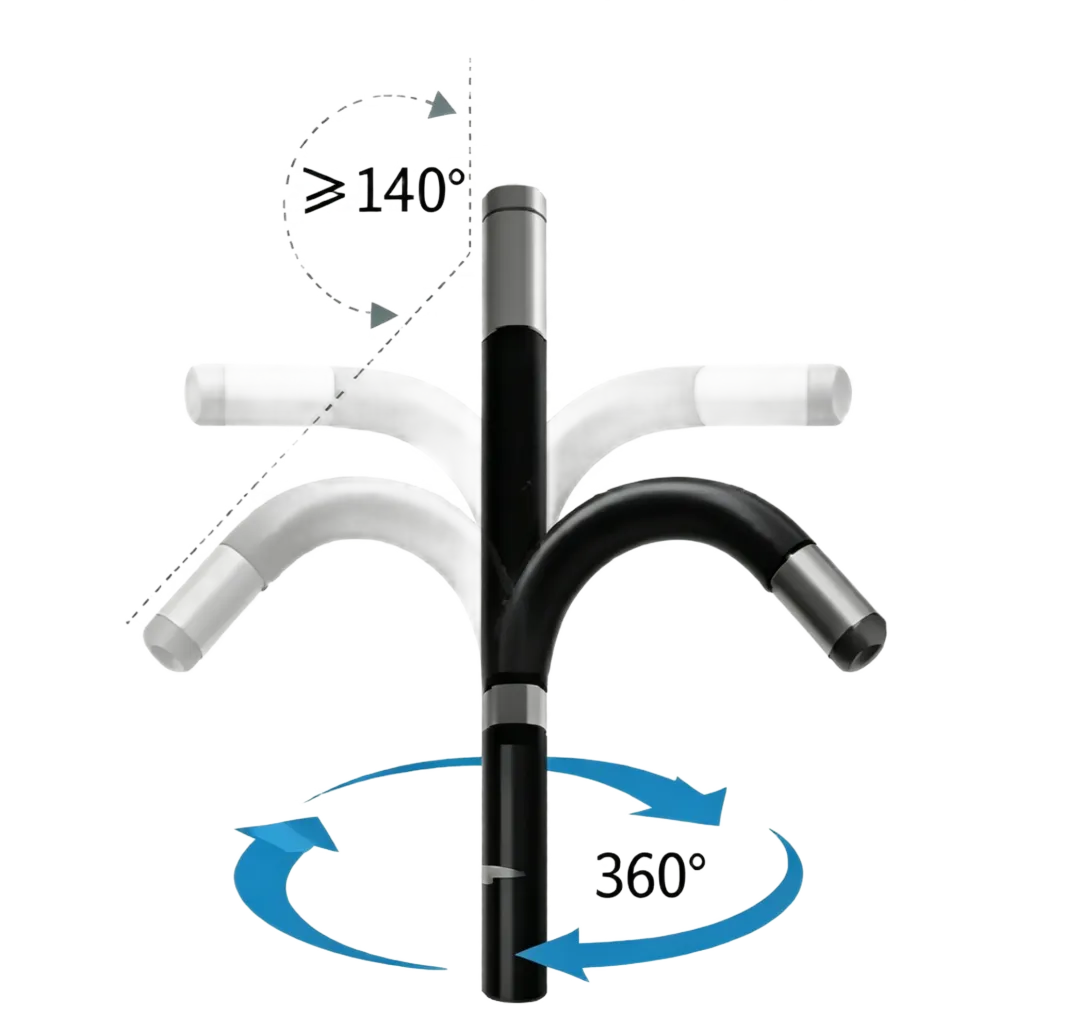
Flexible turning ability is equally crucial. Relying on self-developed transmission technology, T2X can achieve 360 ° full range mechanical steering at long distances, with a steering angle of up to 140 °, and can accurately locate and observe targets in complex internal cavities of gas turbines. With the high-definition long-distance image transmission system, clear imaging can be maintained even in deeper positions.
In terms of portability and intelligent functions, T2X adopts an integrated design, which is lightweight and portable, suitable for complex environments such as high altitude, narrow space, and wilderness. The system supports 5x image magnification, split screen comparison, graffiti annotation, and detection report generation functions. With a 4-hour long-term battery life and a dual-purpose design for AC and DC, it is suitable for long-term on-site operations.
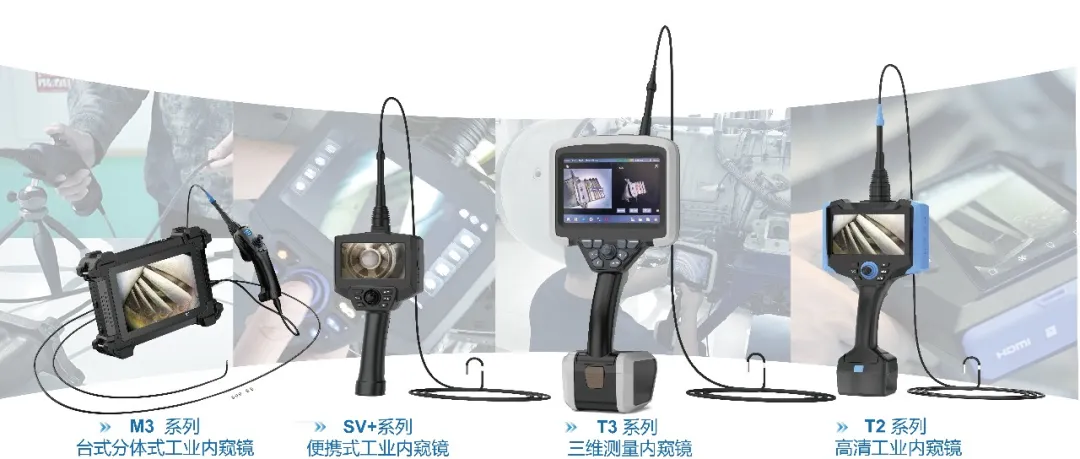
This is not only a practical test of product performance, but also means that industrial endoscopic testing is moving from an "auxiliary means" to a "core capability" - making invisible visible and unreachable accessible. Behind this transformation is the self-developed high-end industrial endoscope solution by Zhongke Intelligent. Zhongke Intelligent (Wuxi) Technology Co., Ltd. focuses on the research and manufacturing of high-end industrial endoscopes, with products covering multiple industrial testing fields such as aerospace, petrochemicals, energy, and automotive manufacturing. The T series endoscope under its umbrella includes multiple models such as T2, T3, M3, etc., which can provide integrated detection solutions ranging from high-definition visualization to 3D precision measurement for different industrial scenarios. Using visual detection technology to safeguard the safety of critical equipment and assist high-end industrial equipment in achieving efficient and reliable full lifecycle operation and maintenance.

 CN
 EN